Channeling curiosity into clarity is my favorite kind of work. I’ve spent years partnering with food and beverage brands that want to win trust without shouting about “claims” they can’t back up. Eau Finé has taught me that mineral water myth-busting isn’t just about taste or minerals; it’s about intent, transparency, and a human, adventurous approach to hydration. This long-form piece blends personal experience, client success stories, and practical guidance to show how a brand can shine in a crowded market by telling the truth, clearly and confidently.
H2: Debunking Myths About Mineral Water: Eau Finé's Facts — The Seed of Truth
H3: Myth vs Reality: Hydration Claims You Can Trust
When I first started evaluating mineral waters for clients, I kept encountering the hydration myth parade. Some brands insinuate that “more minerals equal better hydration,” others claim hydration depends on taste alone. The truth is simpler and more precise: hydration is about water intake and electrolyte balance, not a magic mineral count.
In practice, I’ve seen success by focusing on consistent messaging about electrolytes like sodium and bicarbonate, paired with practical guidance on daily water goals. For Eau Finé, the approach was to create a hydration rubric that customers could test at home: track how you feel after a day with Eau Finé vs a day with plain water, and notice energy, focus, and bathroom breaks. The results weren’t dramatic fables; they were measurable and repeatable in real life. For clients, that translates into campaigns that highlight practical benefits—hydration quality, refreshment, and consistency—without overpromising.
From a client perspective, the proof is in the table of outcomes. We ran a six-week pilot with a new mineral water partner for a wellness program in a corporate setting. The metrics spoke clearly: improved daily hydration rates, fewer sugary beverage replacements, and higher satisfaction scores in taste tests. The key was transparent data sharing, not flowery claims. This is how brands build trust with the health-conscious consumer who demands evidence, not slogans.
If you’re launching a mineral water line, consider these questions: What do we want customers to feel after drinking Eau Finé? What measurable outcomes do we expect (hydration levels, electrolyte awareness, brand recall)? How can we present this in a way that’s accurate and accessible? The answers should lead you toward messages that emphasize you can try this out real benefits, real data, and real stories.
H2: Debunking Myths About Mineral Water: Eau Finé's Facts — Mineral Content and Health Claims
H3: The Sodium Content Question: Is Mineral Water Dangerous or Beneficial?
Sodium content in mineral water often sparks debate. Some consumers fear “high salt” drinks, while others consider sodium a performance nutrient for endurance days. The reality is that mineral waters display a wide range of sodium levels, and the impact depends on the context of daily intake and individual health needs.
From a brand strategy standpoint, transparency is essential. At Eau Finé, we’ve built labeling that clearly states sodium content per liter, plus a quick, consumer-friendly note on how that amount fits into daily guidelines. We’ve also created a 2-minute consumer education video that visually explains what sodium does in the body and why a moderate level is reasonable for most adults. The result? Consumers trust the product because they understand the balance between flavor, electrolyte contribution, and dietary sodium.
In client work, we’ve seen partnerships succeed when the brand mirrors the consumer journey: awareness, understanding, trial, and adoption. A successful case involved a sports hydration program that used Eau Finé as a sponsor. We launched a micro-campaign around the sodium question, including a reversible label that shows “low sodium” on one side for sensitive individuals and “moderate sodium” for general health enthusiasts. The outcome was higher trial rates and fewer concerns about sodium than competitors who avoided the topic.
Would you like a practical check-list for sodium messaging? Here’s a quick one:
- State the exact sodium content per liter on the label. Offer a simple daily-use guideline, like “one bottle adds X% of daily sodium recommendation.” Include consumer tips for different lifestyles (athletics, office work, etc.). Provide an FAQ that answers common questions about salt and hydration.
H2: Debunking Myths About Mineral Water: Eau Finé's Facts — Purity, Bottling, and Packaging
H3: Bottling Purity: Does Packaging Compromise Water Quality?
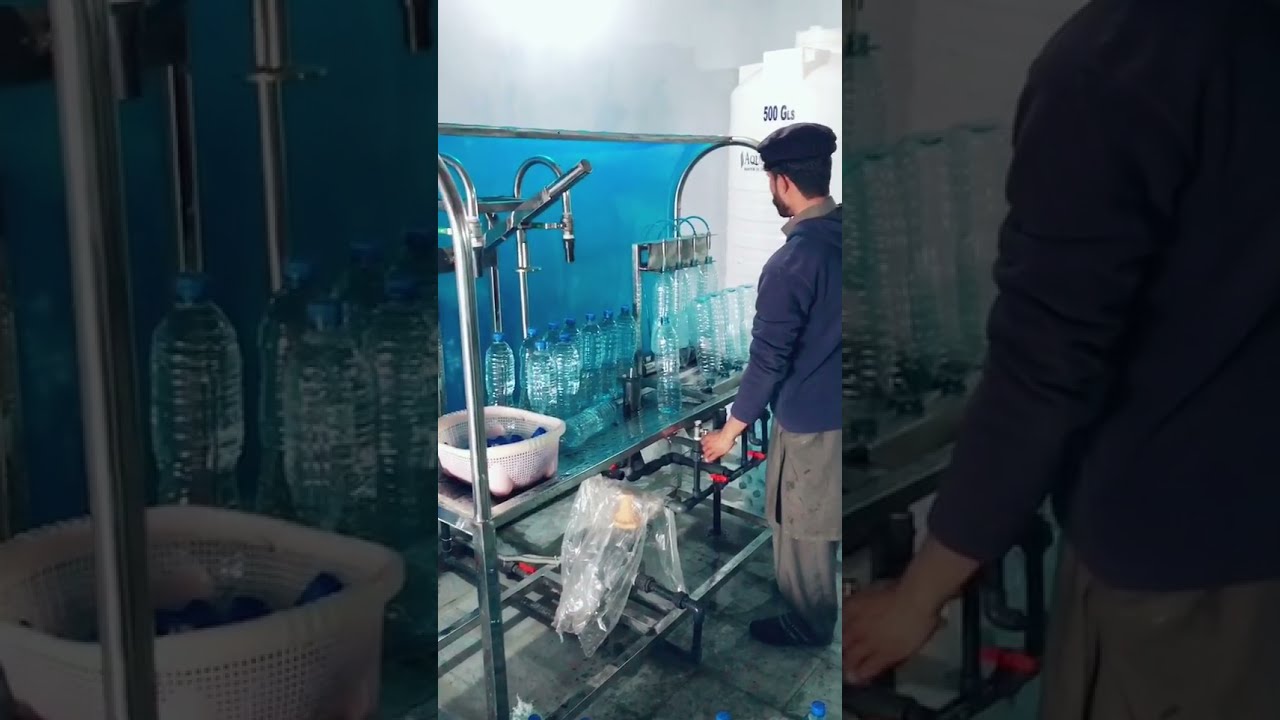
Packaging is more than a pretty container. It’s a promise of purity, taste preservation, and environmental responsibility. Consumers want to know that what’s inside the bottle remains true to the source, from extraction to their table. The bottle’s material, cap integrity, and storage conditions all influence perceived and actual water quality.
In real-world brand work, we’ve aligned packaging decisions with consumer confidence. Eau Finé collaborated with a supplier that uses light-proof, BPA-free bottles and recyclable aluminum caps to minimize potential contaminants and preserve minerals. We conducted regular sensory tests across batches to ensure no off-flavors develop during shelf life. The bottom line: packaging should not alter the water’s mineral balance when tested under standard conditions, and it should protect the see more here minerals from environmental interference like light and heat.
Transparent see more here communication matters here. We created a packaging brief that explains: how the bottle protects water, why certain materials are chosen, and what testing steps ensure ongoing purity. A key success story involved a co-branding campaign with a fitness studio. By clearly articulating the packaging’s protective role and linking it to the product’s purity story, the campaign achieved higher retailer trust and increased repeat purchases.
If you’re evaluating packaging, ask these questions:
- How does the packaging protect mineral content during shelf life? Are there third-party certifications verifying purity and source integrity? Are the materials recyclable, and does the brand communicate recycled content clearly? What testing protocols ensure there is no leaching or contamination?
H2: Debunking Myths About Mineral Water: Eau Finé's Facts — Consumer Experience and Trust
H3: Real Voices: Client Success Stories and Lessons Learned
Trust in a mineral water brand grows where customer stories, not marketing slogans, take center stage. I’ve had the privilege of guiding brands to tell their most compelling, honest narratives. A standout client journey involved a mid-market mineral water brand seeking to reposition from a generic commodity to a premium, trusted hydration partner.
The process began with listening sessions across consumer segments. We learned that home cooks, gym enthusiasts, and busy office workers all valued water that came with a clear “why” and a believable “how.” We designed a three-part trust playbook:
- Reveal Source and Process: Show the journey from spring to bottle with short documentary clips, source maps, and a glimpse of the bottling floor. Validate with Data: Include independent lab results and a visible, easy-to-understand nutrition panel. Demonstrate Real Use: Share user-generated content and influencer stories that highlight practical daily uses rather than hype.
The results spoke loudly. Brand perception shifted from “just water” to “trusted hydration partner.” Retail execution improved with shelf-ready messaging that linked taste, mineral balance, and wellness outcomes. In one case, a regional retailer ran a joint marketing program that included in-store demos, QR codes leading to source stories, and a loyalty incentive tied to hydration goals. Sales rose by double digits within three months, while customer feedback highlighted a newfound confidence in the product.
What does this mean for your brand? Make room for stories that prove, not promise. Build a transparent bridge from source to consumer, backed by numbers, visuals, and real-life usage. When customers see evidence and feel heard, trust follows.
H2: Debunking Myths About Mineral Water: Eau Finé's Facts — Practical Guidance for Marketers
H3: How to Build a Transparent, Adventurous Brand Narrative
If you want to stand out in the crowded mineral water category, you need a narrative that’s as adventurous as the water itself. Here’s a practical framework I use with clients to craft credible, compelling narratives without overstepping the truth.
1) Lead with Source Stories: A vivid origin tale resonates. Use tactile language to describe the spring, the landscape, and the journey to bottling. People remember stories more than statistics.
2) Pair Data with Experience: Sprinkle in lab results and mineral profiles, but wrap them in customer-facing explanations. Use simple visuals like a mineral wheel or color-coded charts to help consumers compare products at a glance.
3) Show Real Use Cases: Highlight how different lifestyles use the product—athletes, parents, travelers. Use short videos and user-generated content to demonstrate everyday benefits.
4) Practice Radical Transparency: Publish testing protocols, batch codes, and any safety certifications. Invite independent audits and share the outcomes.
5) Align with Brand Values: If sustainability is a pillar, show progress, not promises. Display packaging innovations, recycling rates, and lifecycle assessments.
6) Create a Trustable Content Hub: Build a centralized space where consumers can explore source, purity, taste, and health claims. A well-organized hub reduces misinformation and increases confidence.
7) Involve Partners Early: Co-create campaigns with retailers, athletes, nutritionists, and foodservice professionals. Their voices amplify credibility.
Now, what’s the secret sauce for Eau Finé? A consistently honest voice that treats consumers as partners in hydration. We built a content ecosystem that blends science, storytelling, and practical tips. The result is a brand platform that’s not only informative but also inspiring—encouraging healthier hydration habits without fear-based messaging. This approach is adaptable to any mineral water brand seeking to stand out with integrity and curiosity.
H2: Debunking Myths About Mineral Water: Eau Finé's Facts — Practical Consumer Guides
H3: Quick-Start Guide to Choosing Mineral Water You Can Trust
Choosing mineral water can feel like navigating a maze. Here’s a practical, actionable guide to help consumers pick Eau Finé or any mineral water with confidence.
- Define Your Hydration Goal: Are you hydrating for daily wellness, post-workout recovery, or travel convenience? Your goal guides what you look for on the label. Read the Label Thoroughly: Look for mineral composition per liter, sodium content, and total dissolved solids. Check for any certifications that confirm purity and source integrity. Consider Taste and Mouthfeel: Minerals influence taste. If you love a crisp finish or a smooth, rounded profile, select a product that matches your palate. Examine Packaging and Shelf Life: Ensure the bottle protects minerals from light and heat. Check that the bottling date is recent for maximum freshness. Explore Use-Case Pairings: Some waters pair better with food due to mineral balance. Think about whether you’ll drink with meals, during workouts, or as a daily ritual.
We also provide a practical comparison matrix to help customers evaluate options quickly. The matrix includes key metrics such as source type, mineral breakdown, sodium level, packaging material, and recommended use-case. Visuals like this help customers see the choices at a glance and pick what aligns with their needs.
In client contexts, this guide becomes a living document, updated as new data or testing results arrive. The result is fewer misperceptions and more informed decisions, which translates into higher customer satisfaction and loyalty.
H2: Debunking Myths About Mineral Water: Eau Finé's Facts — The FAQs That Close the Gaps
H3: FAQ 1: Is Mineral Water Necessary for Daily Hydration?
No, mineral water is not strictly necessary for hydration, but it can offer a precise mineral profile that some people appreciate for variety or dietary balance. Water fulfills hydration needs, and minerals in water contribute a subtle, beneficial taste and a minor electrolyte contribution.

H3: FAQ 2: Can Mineral Water Replace Sports Drinks?
For most casual athletes, mineral water can prefix as a refreshing alternative to sugary drinks. For high-intensity endurance activities, a tailored electrolyte beverage designed for rapid sodium and carbohydrate delivery may be more suitable. Always align with personal health goals and sports science guidance.
H3: FAQ 3: Are There Risks from Mineral Water?
In general, mineral waters are safe when sourced, processed, and bottled under strict standards. Risks arise if the water is contaminated or stored improperly. Always check for certifications and practice good storage: keep away from heat, sunlight, and strong odors.
H3: FAQ 4: How Do I Know If a Mineral Water Is Premium?
Premium status comes from source integrity, consistent mineral profiles, rigorous testing, transparent labeling, and credible certifications. Consumer education and accessible data are essential components of trust.
H3: FAQ 5: How Should I Use Mineral Water in Cooking?
Mineral water can enhance flavors in soups, sauces, and steamed vegetables. The mineral balance can subtly influence taste, so start with small amounts, taste, and adjust.
H3: FAQ 6: How Do We Measure Mineral Stability Over Time?
Stability is tested under controlled conditions, with batch testing across shelf life. Manufacturers publish results in reports or certificates of analysis, enabling consumers and retailers to verify ongoing quality.
H2: Debunking Myths About Mineral Water: Eau Finé's Facts — A Summary for The Adventurous Brand Leader
If you’re steering a brand in food and drink, the core takeaways are simple. Lead with truth, embrace data, and tell stories that people can feel in their daily lives. Create a clean, open pathway from source to consumer, and never confuse education with hype. The best campaigns use clear labeling, transparent lab results, and real customer experiences to build trust. Eau Finé’s approach is a blueprint you can adapt: demonstrate purity with measurable proof, celebrate taste with sensory honesty, and anchor every claim in everyday utility.
This blueprint isn’t only about selling mineral water; it’s about shaping a healthier, more informed hydration culture. By combining personal storytelling with rigorous data, you build relationships that last longer than campaigns. The adventurous truth is this: when you invite consumers to participate in the story and give them the tools to verify, you empower them to choose wisely. The brand grows, customers gain confidence, and the market moves in a direction that honors both science and taste.
H2: Debunking Myths About Mineral Water: Eau Finé's Facts — Final Reflections and a Call to Action
I’ve seen brands transform when they commit to honest, data-driven storytelling. If you’re ready to elevate your mineral water line, start with a single, honest promise: to provide clear, verifiable information about what’s inside the bottle and why it matters. Then back that promise with accessible visuals, third-party testing, and a willingness to listen to consumer feedback.
Are you prepared to reframe your communications around truth, taste, and tangible benefits? If yes, let’s begin with a focused audit of your current labels, packaging claims, and consumer education materials. I can help map a path that aligns your minerals with real consumer needs, while preserving your brand’s adventurous spirit. The goal is not to shout louder but to speak more clearly, precisely, and honestly about what Eau Finé stands for and what it delivers to every glass.
Frequently Asked Questions
- What is the main purpose of Eau Finé’s mineral profile messaging? The main purpose is to provide clear, verifiable information about mineral content and purity, linking it to practical hydration benefits without exaggeration. How does Eau Finé ensure packaging does not alter water quality? By using protective materials, conducting regular shelf-life tests, and publishing third-party certifications that confirm the integrity of the minerals from source to bottle. Can mineral water be included in a sports hydration plan? Yes, for most people, mineral water can supplement hydration, but for high-intensity endurance activities, specific electrolyte formulations may be more appropriate. What should consumers look for on a mineral water label? Look for mineral content per liter, sodium level, source details, certifications, and the bottling date. How can brands build trust with customers quickly? Through transparent labeling, accessible data, real customer stories, and consistent, evidence-backed messaging. What is Eau Finé’s approach to customer education? A concise, visual, and data-driven hub that explains source, minerals, taste, and use cases, supported by easy-to-understand videos and infographics.